
"French espresso"
2000 article(s) found

Tips for ESPRESSO Baking (selected translations)
Translated from Fresh Cup Magazine's Coffee Almanac,2003 June issue, pp. 36-40, Roasting for Espresso: Implications for Coffee Retailingby David Schomer. Introduction A few years ago, I took a very important coffee course to compare the differences between espresso and other immersion brewing methods (such as French pressure and trickling).
What are the methods of brewing coffee? comparison of various ways of making coffee
Coffee brewing method French press French pressure Percolator mocha pot Drip Filter drip filter Syphon plug wind siphon Pressurised Infusion (Espresso) Italian concentrate as for coffee powder grinding thickness: French pressure: each coffee is ground into 100m 300 coffee powder, about diameter 0.7mm powder, that is, about No. 2 extra sugar particles

The preparation of several kinds of coffee commonly seen in coffee shops.
Italian coffee: Italian coffee is usually brewed at home using a mocha pot invented in Italy, which also uses the principle of vapor pressure to quench coffee (another Watt's apprentice). The mocha pot can make the pressurized vapor pass directly through the coffee powder, allowing the vapor to pass through the cell wall of the coffee powder (or Hook's apprentice), and quench the inner essence of the coffee.

The most complete knowledge of coffee in the world can not be drunk without knowing.
The world's most complete knowledge of coffee, you can not drink, can not help but know. Latte is a classic blend of Italian espresso and milk. Italians also like lattes as breakfast drinks. In the Italian kitchen in the morning, coffee and milk are usually brewed on the sunlit stove. Italians who drink lattes don't so much like espresso.

How to learn to taste coffee?
Not to mention coffee history, Baidu Google, but what coffee gentleman wants to say is that people who really know how to drink coffee like espresso espresso, or pure black coffee. In fact, the reason is very simple, compared to our tea, if you have English milk tea with milk and sugar, how can you drink the purity and aroma of the original tea? Eat chocolate too.
The most commonly used English word for coffee in boutique coffee beans
Coffee bar=coffee shop= coffee shop coffee bean= coffee beans coffee break= have a coffee break at work coffee grinder= coffee bean grinder coffee machine= coffee maker coffee pot= coffee pot coffee table= coffee table coffee table wake up and smell the coffee= wake up and recognize reality

The city with the most coffee shops in China
Caff Latte requires a small Espresso (Italian word for coffee) and a glass of milk (150 - 200 ml). Latte coffee has more milk and less coffee, which is very different from Cappuccino. latte is made very simply by pouring a latte into a freshly made espresso

The most commonly used English words of coffee basic knowledge of fine coffee
Coffee bar=coffee shop= coffee shop coffee bean= coffee beans coffee break= have a coffee break at work coffee grinder= coffee bean grinder coffee machine= coffee maker coffee pot= coffee pot coffee table= coffee table coffee table wake up and smell the coffee= wake up and recognize reality
What's the difference between a latte and a mocha?
Latte, also known as Caff Latte, is one of many Italian lattes, because latte means fresh milk in Italian, so if you are in Italy, remember not to just tell the coffee shop clerk that you want a cup of Latte, or you will get suspicious eyes and a cup of fresh milk. In the English-speaking world, Latte is already Coffee L.

Guatemala Pacamara Coffee Bean roasting degree Manor Flavor description Grinding scale varieties
Guatemala Pacamara Coffee Bean roasting degree Manor Flavor description Grinding scale Variety introduction 1. French roasting this is Mr. Espresso's deepest roasted coffee. It stops at the deepest baking to prevent the loss of the original flavor of the coffee, which is the ideal taste of the coffee. French roasted coffee is low in consistency, slightly sour, strong in taste and smoky. 2. Select

So that's how coffee smells and tastes! Have you ever had any of these coffees?
Professional barista communication, please pay attention to the aroma and taste of coffee workshop (Weixin Official Accounts cafe_style ), which is produced only after roasting. During the roasting process, the water content of the green coffee beans is slowly released, the weight is reduced, the color is deepened, the volume is expanded, and the oil containing aroma is slowly released. As we all know, good coffee probably has two characteristics. The first is aroma.
Coffee English words commonly used in cafes summarize coffee English to be learned by a coffee waiter
Coffee bar=coffee shop= coffee shop coffee bean= coffee beans coffee break= have a coffee break at work coffee grinder= coffee bean grinder coffee machine= coffee maker coffee pot= coffee pot coffee table= coffee table coffee table wake up and smell the coffee= wake up and recognize reality

The difference between latte and cappuccino latte practice and cappuccino practice
Professional coffee knowledge exchange More coffee bean information Please pay attention to coffee workshop (Weixin Official Accounts cafe_style) Latte coffee latte coffee is a classic mixture of Italian espresso and milk, Italians also like latte as a breakfast drink. In Italian kitchens in the morning coffee and milk are usually brewed simultaneously on a sunny stove. Latte is big.
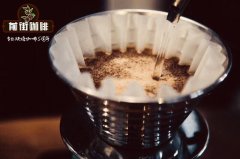
What's the taste of coffee? does coffee taste good? there are several flavors of coffee.
Professional coffee knowledge exchange more information about coffee beans Please follow the coffee workshop (Wechat official account cafe_style) Coffee is bitter. Many people think that the bitterness in coffee comes from caffeine. In fact, the roasted coffee beans will produce a continuous reaction. The chlorogenic acid in the coffee beans will be converted to chlorogenic acid lactone, which will continue to deepen the baking degree, and then will be decomposed into phenyl dihydrogenated indene.
Coffee extraction classification
Classification of coffee extraction methods according to the significant difference of coffee extraction pressure and extraction time, modern coffee extraction methods can be simply divided into two types: Italian fast espresso espresso and immersion extraction steep extraction. Italian fast espresso espresso was invented in Italy at 9 atmospheric pressure and 92 degrees water temperature to extract 25 milliliters of concentration in 25 seconds.
Latte
A latte is a latte. Latte is a classic blend of Italian espresso and milk. Italians also like lattes as breakfast drinks. In the Italian kitchen in the morning, coffee and milk are usually brewed on the sunlit stove. Italians who drink lattes do not so much like espresso as milk.

How to express your coffee in English? What's the English name of coffee? The coffee is big
Coffee complete Columbia Coffee: Colombian Coffee Jamaica Coffee: Jamaican Coffee Blue Mountain Coffee: Blue Mountain Coffee Brazil Santos Coffee: Brazil Santos Coffee Mantelin Coffee: mandeling Coffee Italian Coffee: Italian Coffee Italian espresso: Espresso Italian foam Coffee:
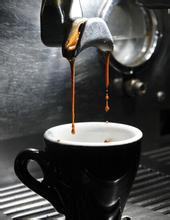
Espresso knowledge points: ESPRESSO roasting tips detailed operation introduction
Translated from Fresh Cup Magazine's Coffee Almanac,2003 June issue, pp. 36-40, Roasting for Espresso: Implications for Coffee Retailingby David Schomer. Introduction A few years ago, I took a very important coffee course to compare the differences between espresso and other immersion brewing methods (such as French pressure and trickling).
ESPRESSO roasting Tips for Fine Coffee (selected translations)
Translated from Fresh Cup Magazine's Coffee Almanac,2003 June issue, pp. 36-40, Roasting for Espresso: Implications for Coffee Retailingby David Schomer. Introduction A few years ago, I took a very important coffee course to compare the differences between espresso and other immersion brewing methods (such as French pressure and trickling).
Coffee articles selected ESPRESSO Baking Tips (selected translations)
Translated from Fresh Cup Magazine's Coffee Almanac,2003 June issue, pp. 36-40, Roasting for Espresso: Implications for Coffee Retailingby David Schomer. Introduction A few years ago, I took a very important coffee course to compare the differences between espresso and other immersion brewing methods (such as French pressure and trickling).